For Friday, Oct. 6, 2023
…audio…
1 – There’s bad news about invasive species in Michigan waters. Hydrilla, considered one of the world’s most invasive aquatic plants, has been detected for the first time in the state.
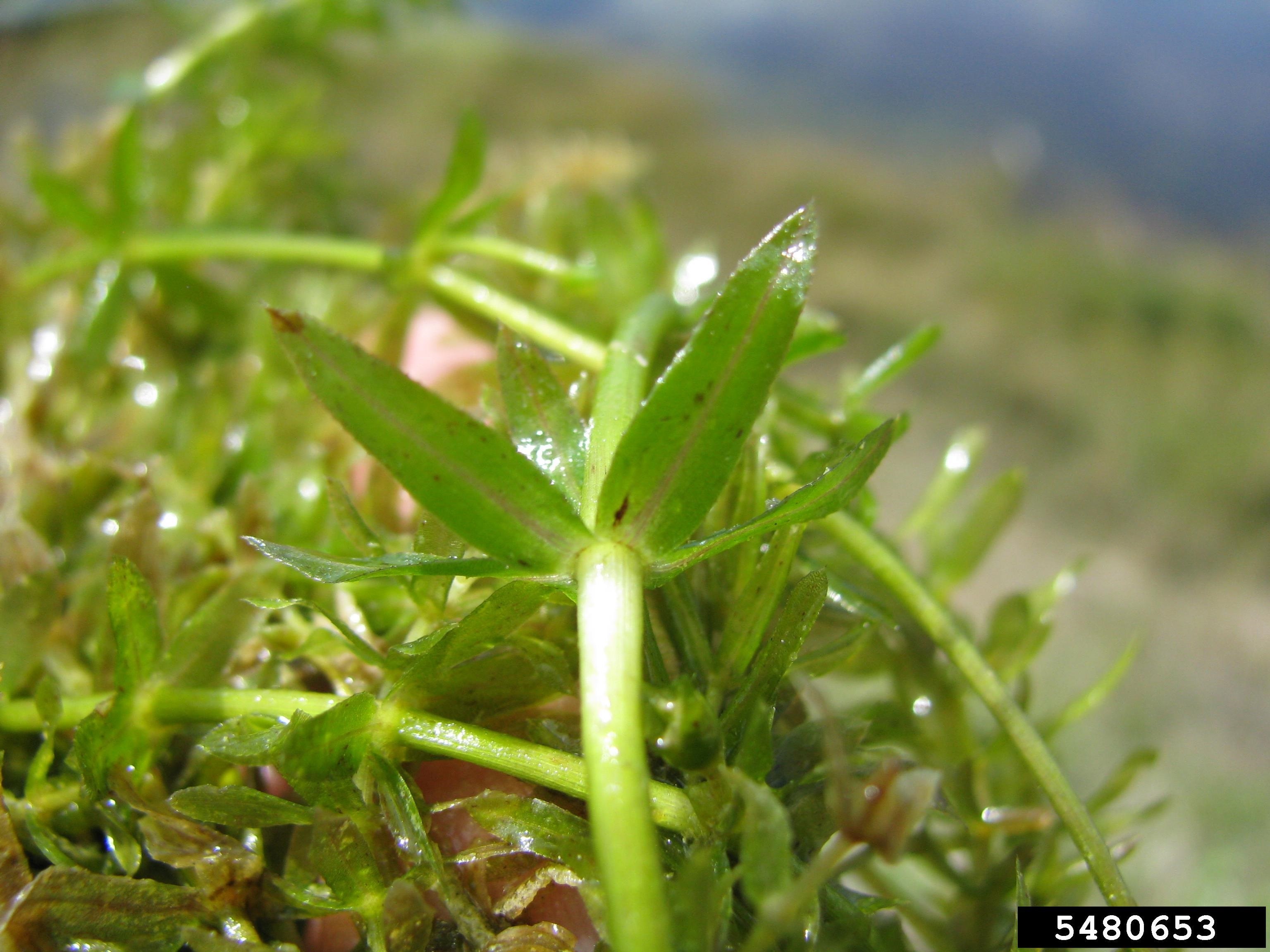
The Department of Environment, Great Lakes, and Energy has confirmed two small populations of hydrilla plants in adjacent private ponds on residential properties in Southwest Michigan.
It’s not clear how the plant made its way into the pond, according to a state biologist. But seeds or fragments may have been attached to ornamental plants installed in previous years.
The state is responding to this discovery by surveying connected ponds, a receiving stream and the St. Joseph River. Herbicide treatments are underway.
Hydrilla has several ways of reproducing; it can spread rapidly, outcompete native plants and quickly infest areas.
The plant was first introduced in Florida in the 1950s.
Officials encourage people to report hydrilla sightings. More information is online at Michigan.gov/Invasives.
…
2 – Do you have a lake, river or stream that you’d like to see monitored for water quality?
The state is seeking recommendations for 2024 monitoring locations.
Regulators plan to target the majority of monitoring resources next year to areas that include the Saginaw River and Rifle River watersheds, although recommendations for other Michigan watersheds will be considered.
A Monitoring Request Form can be found online at Michigan.gov/EGLE.
Monitoring is done for water or sediment chemistry, contaminants in fish, algae growth, E. coli bacteria and other issues.
The deadline for recommendations is Halloween, Oct. 31.

…
3 – Leave the Leaves.
That’s the name of an inaugural report by the National Wildlife Federation.
The environmental group surveyed about 1,200 people.
They found that most people, 72 percent, know that fallen leaves and leaf layers are beneficial to wildlife and biodiversity. But only 25 percent are leaving the leaves where they fall.
Thankfully, NWF says, 82 percent of folks are open to leaving leaves to benefit wildlife in the future.
The group says the results are an opportunity to educate the public about how fallen leaves can benefit wildlife by leaving them in place and gardens by using them for compost or mulch.
– Mr. Great Lakes is heard on Friday mornings in Bay City, Michigan, on Delta College Public Radio 90.1 FM (listen live). Follow @jeffkart on Twitter #MrGreatLakes
-30-
 Mr Great Lakes