For Jan. 19, 2024
…audio…
1 – More solar is on the way.
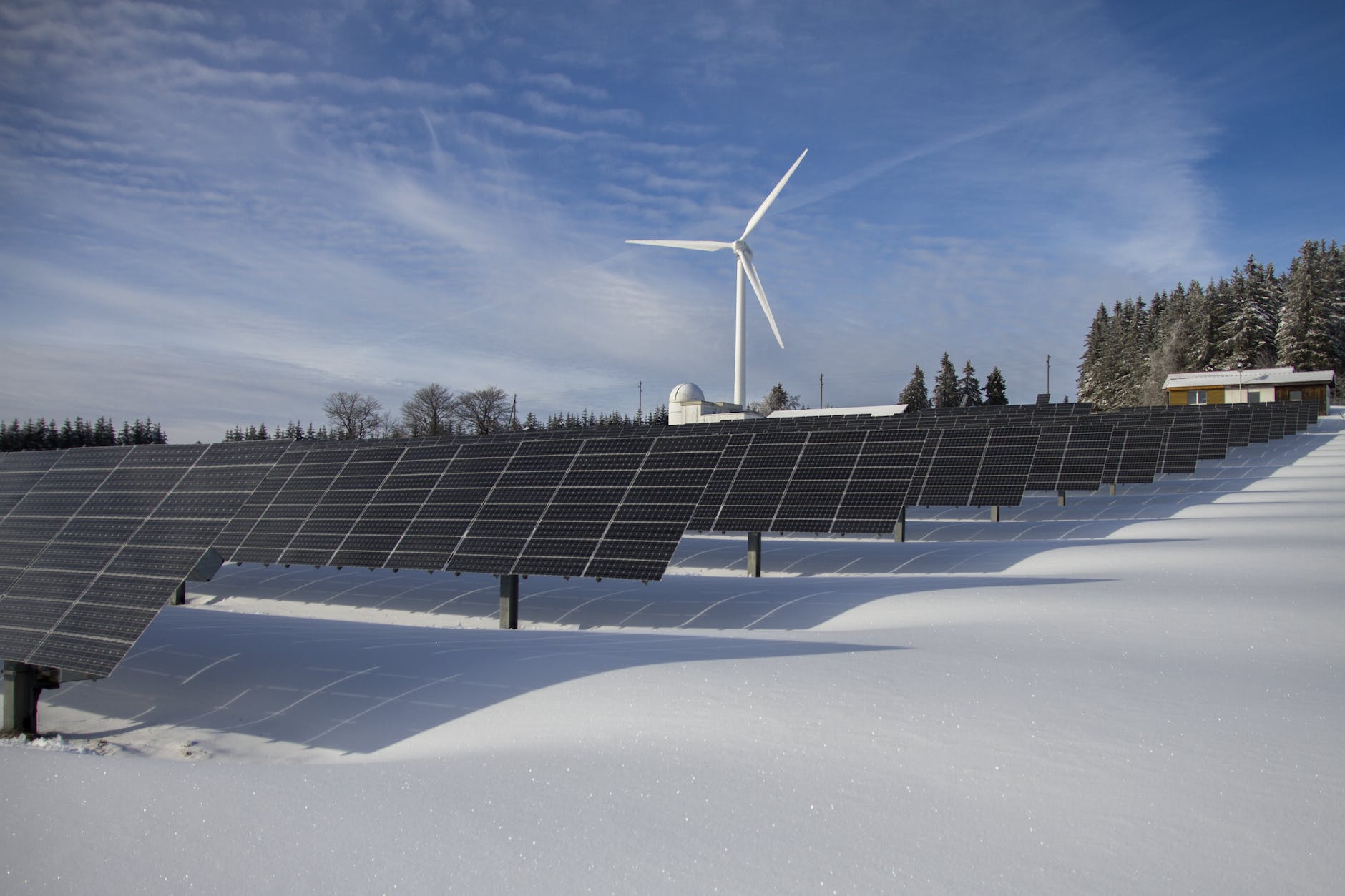
A new federal Short-Term Energy Outlook says officials expect solar power to be the leading source of growth in electricity generation in 2024 and 2025.
The new capacity will boost the solar share of total generation to 6 percent this year and 7 percent in 2025, up from 4 percent in 2023.
The forecast also says electricity generation from coal is expected to decline by 9 percent this year and 10 percent in 2025. That’s due to higher costs compared with renewables and coal-fired power plants being retired over the next two years.
…
2 – In Michigan, increases in solar power generation will be driven in part by new state laws as recommended in a MI Healthy Climate Plan.
Sixteen percent of Michigan’s electricity is generated from renewable energy. But the state now has a standard of 100 percent clean energy by 2040.
The state says that means historic increases, or an increase of four times the renewables in just 10 years.
This includes a higher cap on distributed generation sources, from 1 percent to 10 percent. That will expand the number of families and businesses able to generate electricity with rooftop solar panels.
…
3 – A recently released Michigan State of the Great Lakes 2023 Report says the latest management plan for Lake Huron identifies more than 50 actions to help protect and restore the lake.
A top priority is to better understand nutrient dynamics in Saginaw Bay and the lake. Excess nutrients like phosphorus and nitrogen from agricultural and other runoff contribute to algae problems in our waters.
The report notes that a Saginaw Bay Monitoring Consortium last year began a nutrient water quality monitoring network for the Saginaw Bay watershed and bay. Those involved include Saginaw Valley State University and Central Michigan University.
The group will collect water quality and stream discharge data at 18 locations within the watershed and water quality data at 10 locations within the bay.
Officials say this data will lead to improvements in best management practices throughout the watershed.
– Mr. Great Lakes is heard on Friday mornings in Bay City, Michigan, on Delta College Public Radio 90.1 FM (listen live). Follow @jeffkart on Twitter #MrGreatLakes
-30-
 Mr Great Lakes