For Friday, Feb. 23, 2024
1 – Saginaw Valley State University is moving ahead with plans for a Lake Huron Environmental Research Station.
On Monday, Feb. 19, the university board authorized spending $2.5 million to support construction of the $10 million facility along the Saginaw River, near Saginaw Bay.
The project previously received $7.5 million from the state.
Construction is expected to begin next year in Bangor Township, south of a state boat launch, on property owned by Dow.
Officials say the 10,000-square-foot facility will build on SVSU relationships with partner agencies to improve public health and expand scientific understanding in the Saginaw Bay watershed.
The university notes that the U.S. Bureau of Labor Statistics forecasts job opportunities for environmental scientists and specialists to grow by 6 percent through the year 2032.
…
2 – A conservation group is looking for input on plans for a park in Rose City.

Huron Pines and the city are pursuing the removal of Sanback Dam and a park will take shape once the site is restored.
An online survey is open until the end of February at HuronPines.org.
Sanback Dam is located at Metcalf Park at the north end of Rose City. Project organizers say the dam’s deteriorating condition poses an environmental hazard for Houghton Creek, a tributary of the Rifle River.
Proposed features for the park include trails, fishing access and a bridge.
A state grant to Huron Pines is funding the permitting and design phase of the dam removal. Dam removal and site restoration is expected to happen in 2025 and estimated to cost $4 million.
…
3 – Where is most new electricity coming from? Solar and battery storage.
The U.S. Energy Information Administration says solar and battery storage will make up 81 percent of new electric generating capacity in the United States in 2024.
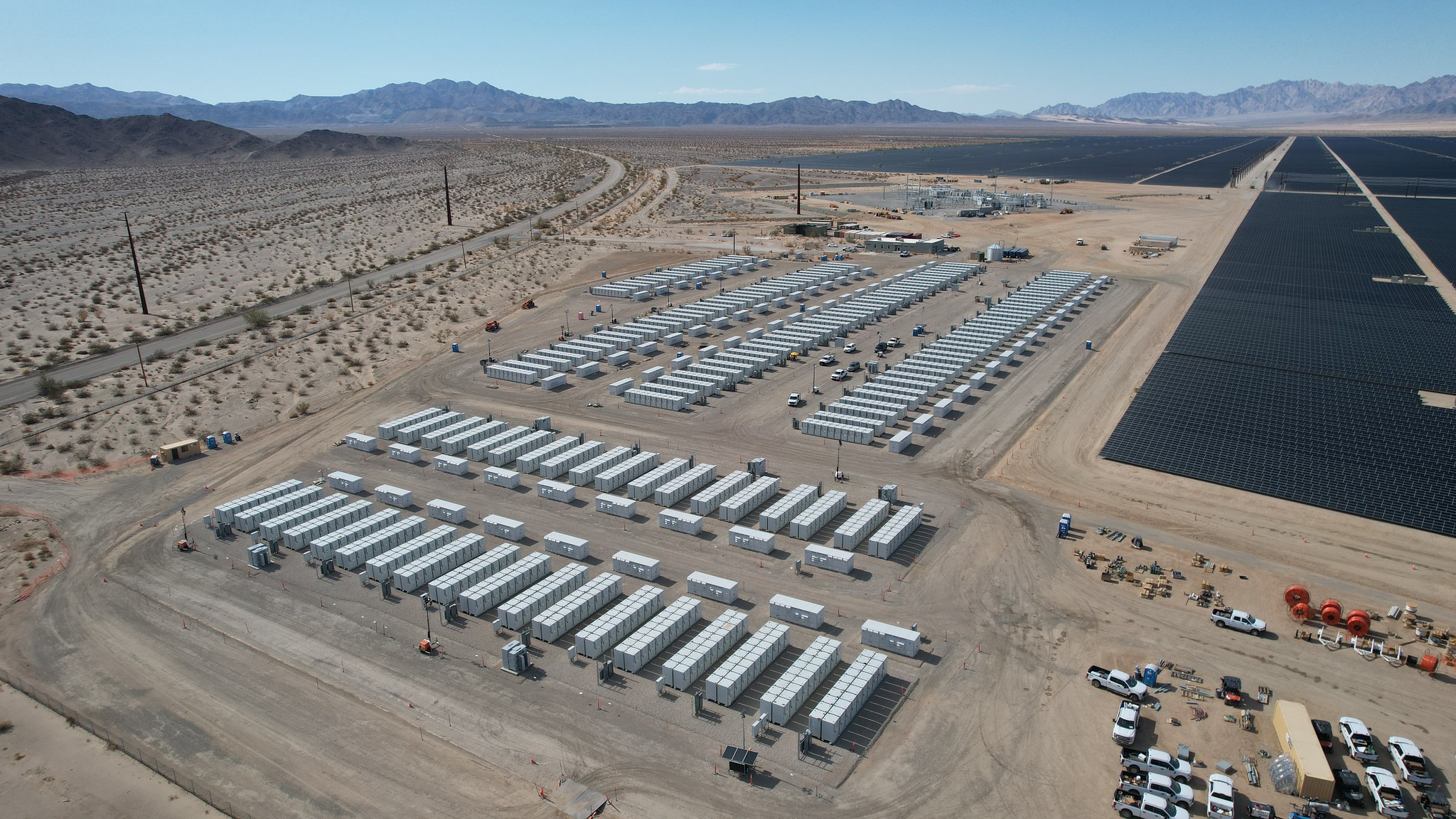
Developers and power plant owners plan to add 62.8 gigawatts of new utility-scale electric-generating capacity this year, according to a Preliminary Monthly Electric Generator Inventory.
This would be 55 percent more added capacity than in 2023. Back then, that was the most since 2003.
Solar is expected to account for the largest share of new capacity at 58 percent, followed by battery storage at 23 percent.
More than half of the new utility-scale solar capacity is planned for Texas, California and Florida.
Texas and California also will account for most of the new U.S. battery storage capacity.
– Mr. Great Lakes is heard at 6:45 and 8:45 Friday mornings on Delta College Public Radio 90.1 FM in University Center, Michigan, near Bay City (listen live). Follow @jeffkart on Twitter #MrGreatLakes
-30-
 Mr Great Lakes