For Friday, May 8, 2026
1 – Michigan United Conservation Clubs is being dissolved after nearly 90 years of advocacy.
MUCC announced this week that the nonprofit’s board unanimously approved a resolution to dissolve the organization.
Leaders of the group say Michigan United Conservation Clubs has served as a unified voice for conservation in the state, championing hunters, anglers, and outdoor enthusiasts through advocacy, education, and partnerships.
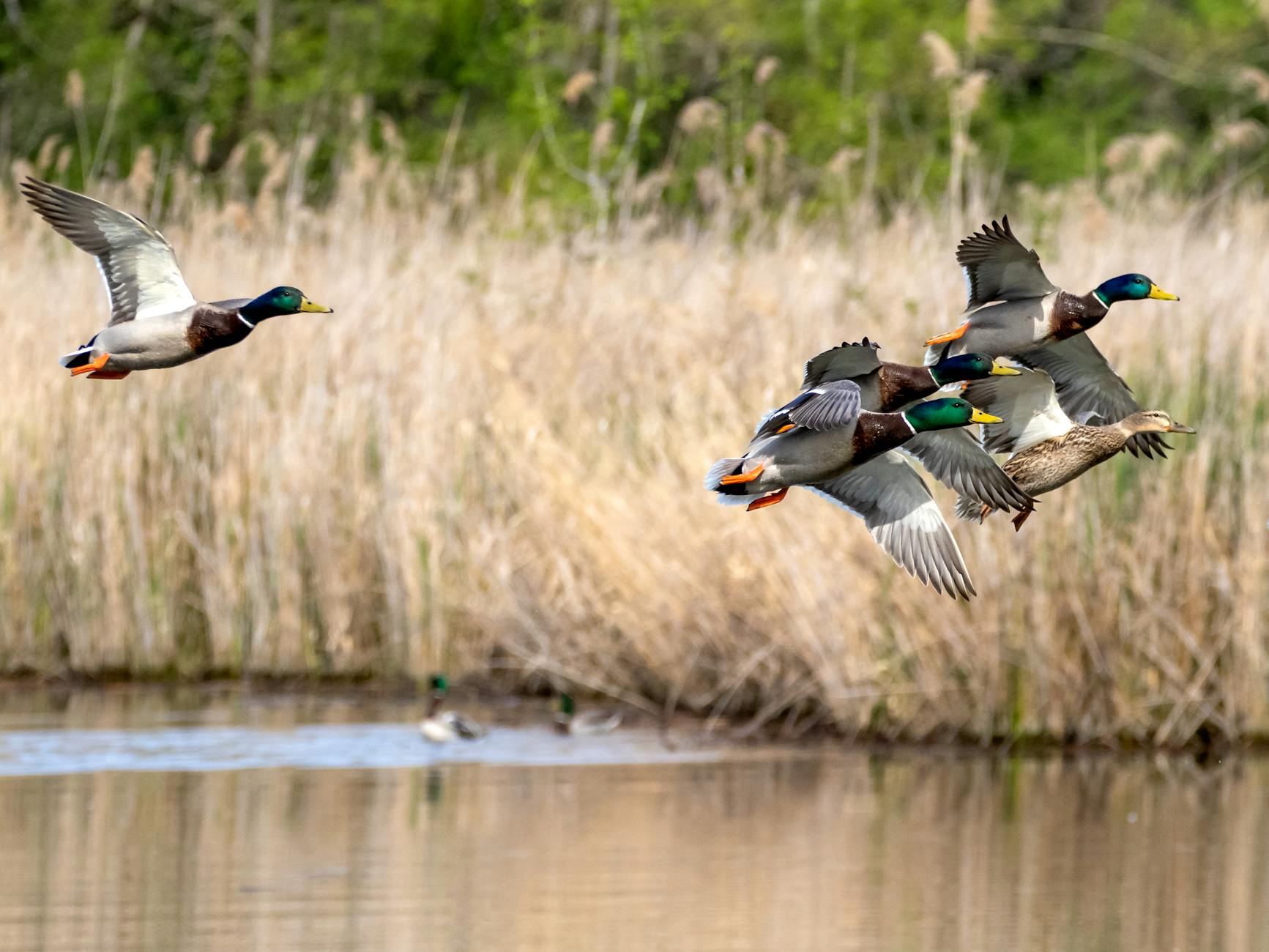
The group has reportedly faced sustained financial challenges that have impacted its long-term sustainability. A Fox 2 news report says MUCC once represented more 400 clubs around the state, but that number has fallen to around 100.
Dissolution includes the orderly wind-down of operations, satisfaction of all obligations, and distribution of any remaining assets. The process is expected to be complete by mid-June.
…
2 – AI may be a crystal ball for weather forecasting.
An artificial intelligence tool built by the National Center for Atmospheric Research in Colorado is improving predictions of deadly severe weather.
It’s called the convective hazard prediction system.

Researchers say AI weather models tend to out-perform traditional models when forecasting out three to eight days. But using AI models can improve the ability to predict the potential for tornadoes, large hail, and damaging winds.
The project by the U.S. National Science Foundation center uses output from AI models that emulate traditional models to come up with a percent likelihood of severe weather hazards. The results are available online and are being evaluated.
…
3 – You’ve likely heard of Asian or invasive carp, those jumping fish that managers are trying to keep out of the Great Lakes.

But what about pink salmon? They may be on the dinner menu but they’re also considered invasive in the Great Lakes. Pink salmon, native to the Pacific Ocean, were unintentionally introduced to Lake Superior in the 1950s and quickly adapted to and spread throughout the Great Lakes.
The National Oceanic and Atmospheric Administration, or NOAA, says research on the history of the rise of pink salmon here may help folks near the North Atlantic and Arctic oceans.
The pink salmon population is now increasing in those areas. Lessons learned from the Great Lakes include factors that drive population increases in pink salmon and how temperate extremes influence their ecology.
– Mr. Great Lakes is heard Friday mornings in Bay City, Michigan, on Delta College Public Radio 90.1 FM (listen live). Follow @jeffkart on Twitter #MrGreatLakes
-30-

