For Friday, May 29, 2026
1 – Six species have been added to Michigan’s official list of invasive plants.
That includes the callery pear tree, also known as Bradford pear and Cleveland pear.
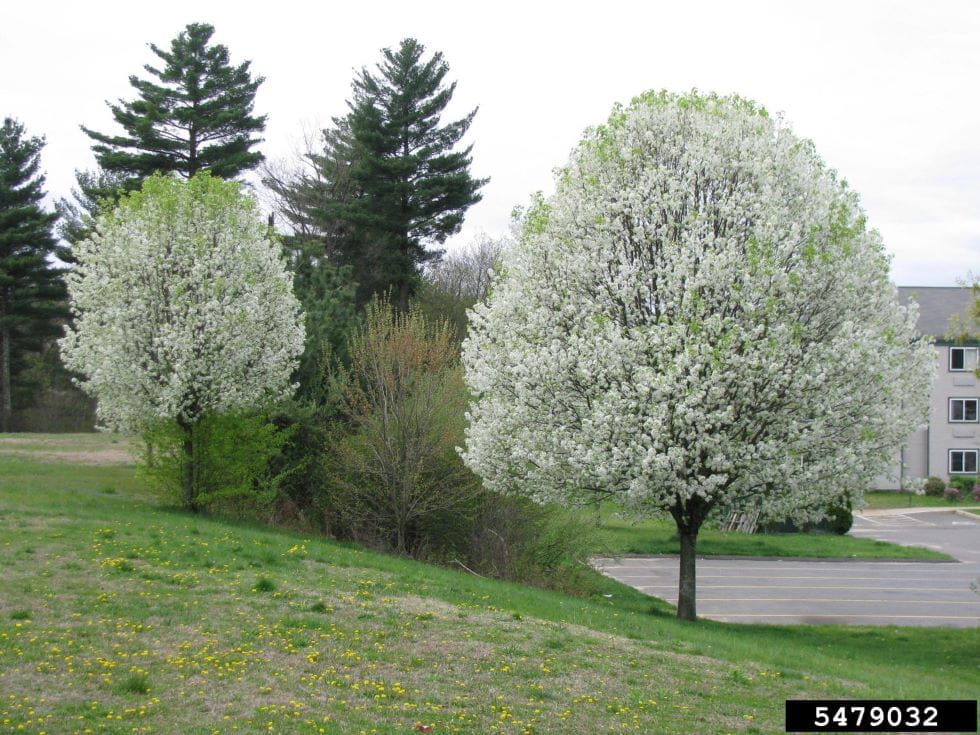
Effective January 2028, it will be unlawful to sell the species in Michigan.
The newly listed pear trees are prolific in the state, including in the Bay City area. But officials say the trees can spread by seeds and root suckers to form thickets, particularly in grasslands, restored wetlands and forest edges, crowding out native vegetation. The trees’ weak branches also can break, and its fruits can make walking difficult.
Property owners are not considered in violation if these invasive species are already established on their property or in adjacent waterways.
Officials say the decision to list the Bradford and other plants as invasive was informed by public comments and a scientific review process led by the Michigan Department of Agriculture and Rural Development.
…
2 – World Otter Day was celebrated this week.
The National Wildlife Federation chimed in on social media:
“North American river otters eat a variety of aquatic wildlife, such as fish, crabs, frogs, eggs, and smaller reptiles.
They can stay underwater for up to 8 minutes and even close their nostrils to keep water out during long dives when searching for food …” and
“On land, a river otter can run at speeds of up to 15 miles (24 kilometers) an hour. They can slide even faster.”
World Otter Day is an annual event dedicated to raising awareness about otters, celebrating their unique characteristics, and promoting conservation efforts.
– Mr. Great Lakes is heard Friday mornings in Bay City, Michigan, on Delta College Public Radio 90.1 FM (listen live). Follow @jeffkart on Twitter #MrGreatLakes
-30-

