For Friday, June 26, 2026
1 – One principle recently highlighted by the Center for Great Lakes Literacy: The Great Lakes influence local and regional weather and climate.
You can see this influence in real time through GLOS, short for the Great Lakes Observing System.
The system is a network of buoys that monitor conditions on the lakes including air temperature, wind speed, wave height and water quality.
You can find the information via the Seagull link at glos.org.
The Center for Great Lakes Literacy is an effort by SeaGrant educators from throughout the basin.
…
2 – At last check, there haven’t been any summer roost reports in Bay County.
That’s bat roosts, as in places where bats rest and raise their young during the warmer months.
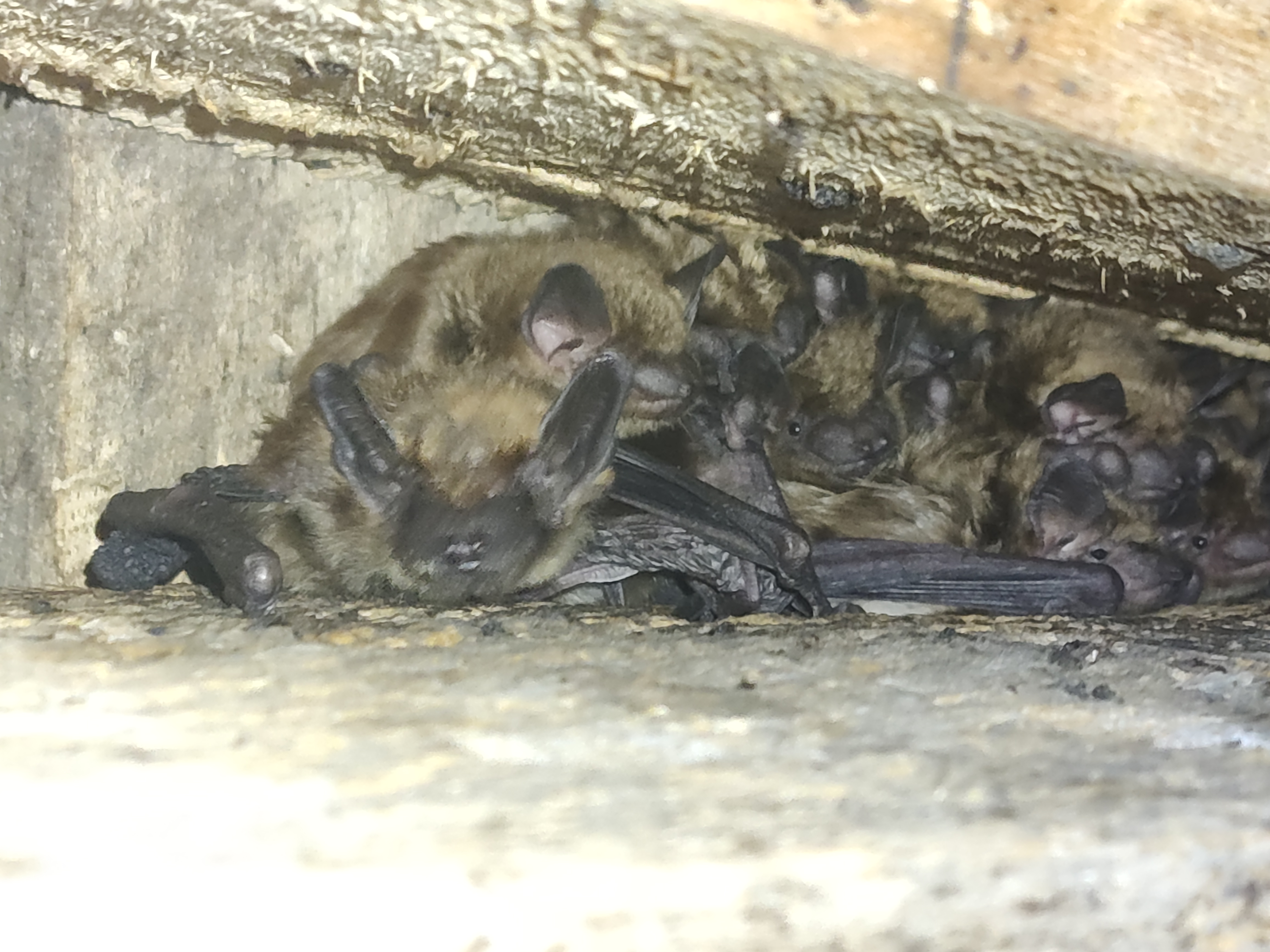
Summer roosts have been reported in nearby counties and throughout the state. The Michigan Department of Natural Resources is asking for help to find more bat roosts, in places like tree cavities and trunks, bridges and barns.
The public can report sites online through a Michigan Bat Roost Monitoring Program, now in its second year.
The information is used to inform bat conservation. Michigan is home to nine bat species, five listed as threatened or endangered. Bats are important because they eat lots of insects, including mosquitoes and agricultural pests.
…
3 – Solar is seeing a summer surge.
A June 9 Short-Term Energy Outlook from the U.S. Energy Information Administration forecasts a 3% increase in cooling degree days from June to September this year.
Officials expect the increased need for air conditioning will be met almost entirely by generation from renewable fuel sources.
That includes an increase of 19% in utility-scale solar generation relative to last summer. Coal power electricity generation, meanwhile, declines by 2%.
Wind generation is forecast to rise by about 10%, consistent with a nearly 8% rise in average wind capacity this summer. Smaller increases are forecasted for hydropower, at 5%, and nuclear generation, at 1%.
– Mr. Great Lakes is (normally) heard Friday mornings in Bay City, Michigan, on Delta College Public Radio 90.1 FM (listen live). Follow @jeffkart on Twitter #MrGreatLakes
-30-

